
How AI is Revolutionizing the Aviation Industry
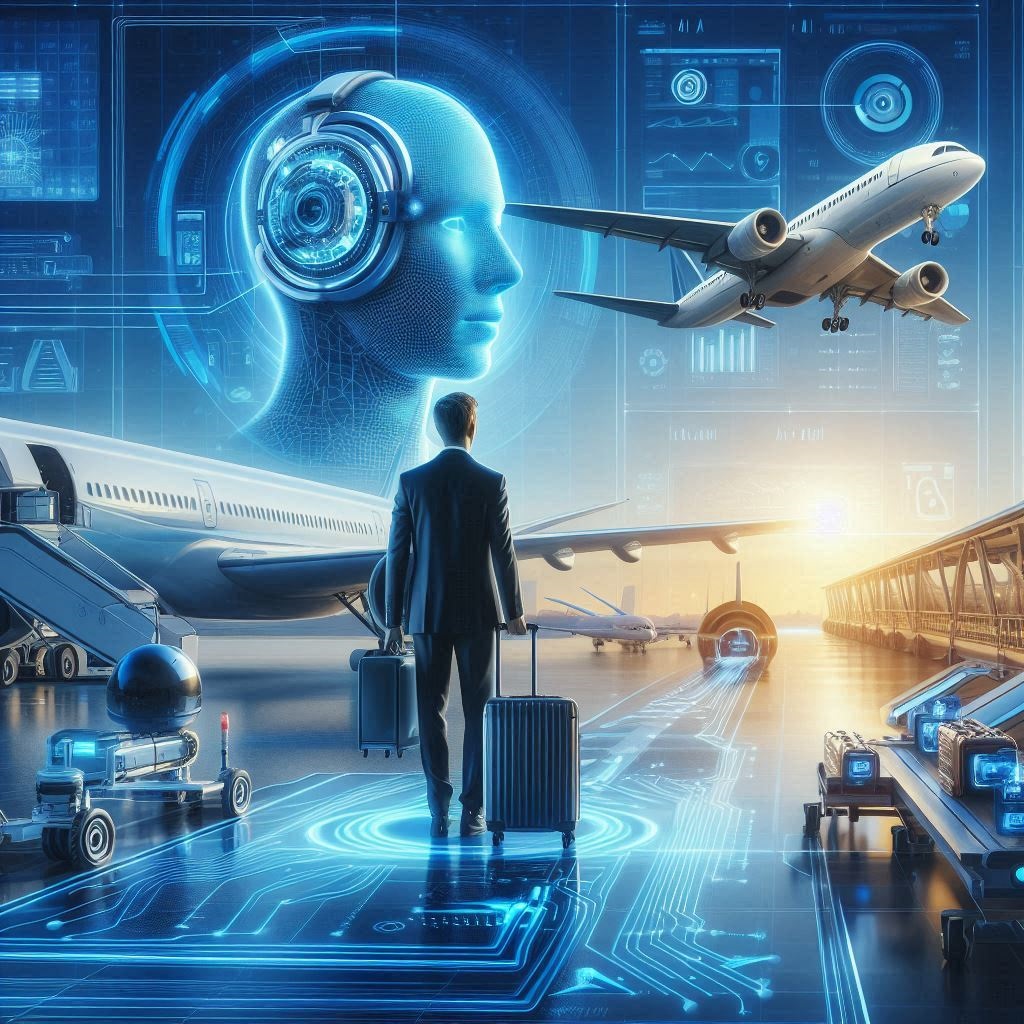
How AI is Revolutionizing the Aviation Industry: A New Era of Innovation
Artificial Intelligence (AI) is no longer a futuristic concept—it’s here, and it’s transforming industries across the globe. The aviation sector, known for its relentless pursuit of safety, efficiency, and innovation, is at the forefront of this AI-driven revolution. From optimizing flight operations to enhancing passenger experiences, AI is reshaping every aspect of aviation. In this article, we’ll explore how AI is revolutionizing the aviation industry and what it means for the future of air travel.
- Enhancing Safety with Predictive Maintenance
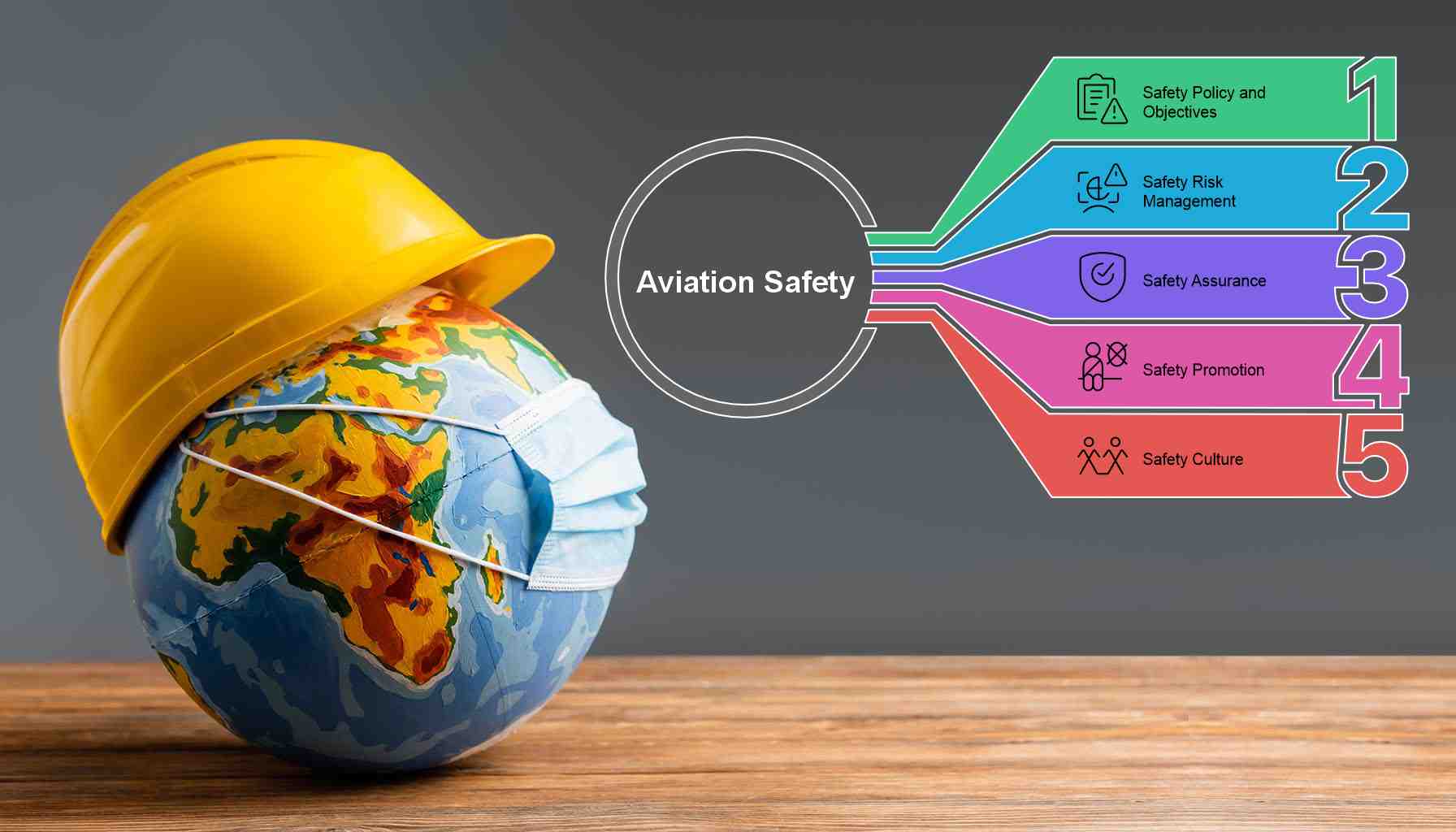
Safety is the cornerstone of aviation, and AI is playing a pivotal role in making air travel even safer. One of the most significant contributions of AI in this area is predictive maintenance. Traditional maintenance schedules are often based on fixed intervals, which can lead to unnecessary inspections or, worse, unexpected failures. AI changes this paradigm by enabling real-time monitoring and predictive analytics.
- How It Works: AI algorithms analyze vast amounts of data from aircraft sensors, engines, and other components to detect patterns and anomalies. By identifying potential issues before they escalate, airlines can perform maintenance proactively, reducing the risk of in-flight failures.
- Real-World Applications: Companies like GE Aviation and Rolls-Royce are using AI-powered systems to monitor engine performance. For example, GE’s Predix platform uses machine learning to predict maintenance needs, saving airlines millions of dollars in unscheduled repairs and minimizing downtime.
- Impact: Predictive maintenance not only enhances safety but also improves operational efficiency and reduces costs, making it a win-win for airlines and passengers alike.
- Optimizing Flight Operations with AI
Flight operations are incredibly complex, involving countless variables such as weather conditions, air traffic, fuel consumption, and crew scheduling. AI is helping airlines navigate these complexities with greater precision and efficiency.
- Fuel Efficiency: Fuel is one of the largest expenses for airlines, and even small improvements in efficiency can lead to significant savings. AI algorithms analyze flight data to optimize routes, speeds, and altitudes, reducing fuel consumption and emissions. For instance, Alaska Airlines uses AI to optimize flight paths, saving millions of gallons of fuel annually.
- Air Traffic Management: AI is also being used to improve air traffic control. Systems like NASA’s ATD-2 use machine learning to predict traffic patterns and recommend optimal flight paths, reducing delays and congestion. This not only improves efficiency but also enhances safety by minimizing the risk of mid-air collisions.
- Crew Scheduling: AI-powered tools are streamlining crew scheduling, ensuring that airlines have the right personnel in the right place at the right time. These systems take into account factors like crew availability, regulatory requirements, and flight schedules, reducing the likelihood of delays caused by staffing issues.
- Autonomous Flight: The Future of Aviation?
While fully autonomous passenger aircraft are still a distant prospect, AI is already making strides in autonomous flight technology. From drones to cargo planes, AI is enabling aircraft to operate with minimal human intervention.
- Drones and Cargo Planes: Unmanned aerial vehicles (UAVs) are being used for a variety of applications, including package delivery, surveillance, and disaster relief. Companies like Amazon and UPS are experimenting with AI-powered drones to deliver goods quickly and efficiently.
- Pilot Assistance: AI is also being used to assist human pilots with tasks like navigation, collision avoidance, and decision-making. For example, Airbus’s DragonFly system uses AI to help pilots identify safe landing sites in emergencies and automate certain aspects of flight.
- Future Prospects: While the idea of fully autonomous passenger aircraft raises ethical and regulatory questions, the technology is advancing rapidly. Boeing and Airbus are investing heavily in autonomous flight research, and it’s possible that we’ll see autonomous planes on certain routes within the next decade.
- Improving the Passenger Experience
AI isn’t just transforming the technical aspects of aviation—it’s also enhancing the passenger experience. From booking tickets to arriving at the destination, AI is making air travel more convenient and enjoyable.
- Personalized Travel: AI-powered chatbots and virtual assistants are helping passengers book flights, choose seats, and manage their itineraries. These systems use natural language processing (NLP) to understand and respond to user queries, providing a seamless booking experience.
- Biometric Screening: Airports and airlines are increasingly using biometric technology to streamline the boarding process. Facial recognition systems, powered by AI, allow passengers to check in, drop off luggage, and board their flights without needing a boarding pass. Delta Air Lines, for example, has implemented facial recognition at several airports, reducing boarding times and improving security.
- In-Flight Entertainment: AI is also being used to personalize in-flight entertainment. Systems like Thales’s AVANT Up use machine learning to recommend movies, TV shows, and music based on passengers’ preferences, creating a more enjoyable travel experience.
- Enhancing Security with AI
Security is a top priority in aviation, and AI is helping to make airports and aircraft safer. From threat detection to fraud prevention, AI is enhancing security in numerous ways.
- Threat Detection: AI-powered systems are being used to analyze security footage and identify potential threats in real time. These systems can detect suspicious behavior, unattended baggage, and other security risks, allowing authorities to respond quickly.
- Fraud Prevention: AI is also being used to detect and prevent fraud in the aviation industry. For example, AI algorithms can analyze booking patterns to identify fraudulent transactions, protecting both airlines and passengers.
- Cybersecurity: As aviation systems become increasingly connected, the risk of cyberattacks is growing. AI is being used to monitor networks for unusual activity and respond to potential threats, ensuring the safety and security of critical aviation infrastructure.
- Sustainability and AI: A Greener Future for Aviation
The aviation industry is under increasing pressure to reduce its environmental impact, and AI is playing a key role in this effort. By optimizing fuel consumption, reducing emissions, and improving operational efficiency, AI is helping airlines become more sustainable.
- Fuel Optimization: As mentioned earlier, AI is being used to optimize flight paths and reduce fuel consumption. This not only lowers costs but also reduces the industry’s carbon footprint.
- Emission Reduction: AI is also being used to develop more efficient aircraft designs and propulsion systems. For example, NASA is using AI to design quieter, more fuel-efficient engines that produce fewer emissions.
- Sustainable Practices: AI is helping airlines adopt more sustainable practices, such as reducing food waste and improving recycling programs. By analyzing data on passenger preferences and consumption patterns, airlines can make more informed decisions about in-flight services.
Conclusion: The Future of Aviation is AI-Driven
AI is revolutionizing the aviation industry in ways that were once unimaginable. From enhancing safety and optimizing operations to improving the passenger experience and promoting sustainability, AI is driving innovation at every level. As the technology continues to evolve, the possibilities are endless.
While challenges remain—such as regulatory hurdles, ethical considerations, and the need for robust cybersecurity measures—the benefits of AI in aviation are undeniable. By embracing AI, the aviation industry can not only overcome these challenges but also pave the way for a safer, more efficient, and more sustainable future.
The next time you board a plane, take a moment to appreciate the incredible technology that makes modern air travel possible. Thanks to AI, the future of aviation is brighter—and smarter—than ever before.


Leave a Reply


© 2026 AEROMENTORS - All Rights Reserved